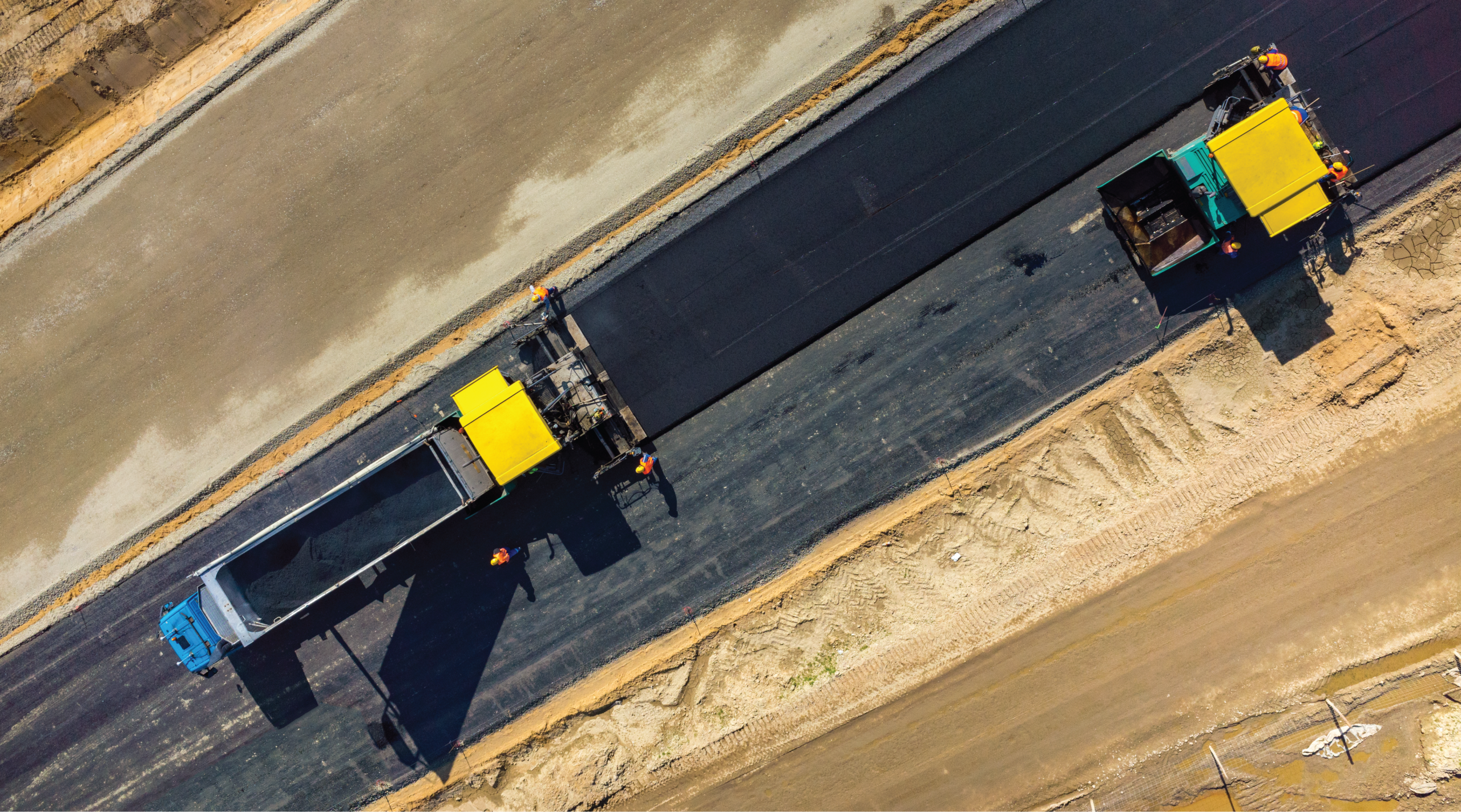
Infrastructure construction is a versatile and complex process involving the creation and rehabilitation of roads, bridges, tunnels, artificial structures, and communication systems. These processes are strictly regulated by technical standards and building codes that ensure the quality, safety, and durability of the works.
According to these standards, it is essential to consider numerous engineering factors, including project research and investigation, site surveys, environmental impact assessments (EIA), calculations, and planning stages. In this blog, we will walk you through the stages an infrastructure project undergoes before reaching its final milestone.

Engineering-Geological Research and Site Investigation
Infrastructure construction begins with an engineering-geological survey. Soil sampling and geotechnical testing are conducted on the project site to develop detailed geological cross-sections.
Additionally, it is mandatory to prepare an Environmental Impact Assessment (EIA) report, which determines the project’s influence on the ecosystem and the local population. The primary survey works include:
- Assessing the condition of road elements (carriageway/pavement, sidewalks, manholes/utility chambers) and artificial structures;
- Calculation and analysis of surface water runoff and drainage measures;
- Locating existing underground utilities and coordinating with relevant authorities.

Design and Technical Documentation
Designing is carried out in full compliance with building codes and technical standards. In the first stage, horizontal and vertical alignment (planning) of the carriageway is performed, followed by the preparation of a site plan.
Finally, a comprehensive set of project documentation is compiled, which includes:
- Bill of Quantities (BoQ);
- Material specifications;
- Cost estimation documentation;
- General construction scheme/layout.

Construction, Rehabilitation, and Supervision
During the construction and rehabilitation process, determining the prime cost and developing an environmental monitoring plan are of paramount importance.
Before the commencement of works, the site is demarcated (site hoarding), and protective/warning signs, as well as temporary traffic lights, are installed. During the rehabilitation phase, the following components are added:
- Occupational Health and Safety (OHS) plan;
- Selection of necessary machinery and mechanisms;
- Organization of the material procurement process;
- Geodetic supervision (surveying oversight) and quality control.
Conclusion
By taking all these factors into account, actual construction or rehabilitation begins. Adherence to infrastructure construction standards is a guarantee that the project will be high-quality, durable, and safe.
Properly executed research, planning, and supervision create the foundation for the sustainable development of the country’s infrastructure and the improvement of the quality of life for the local population.